There is a widespread belief in freight forwarding: if the goods are insured, we can sleep soundly.
Unfortunately, reality has not read the policy.
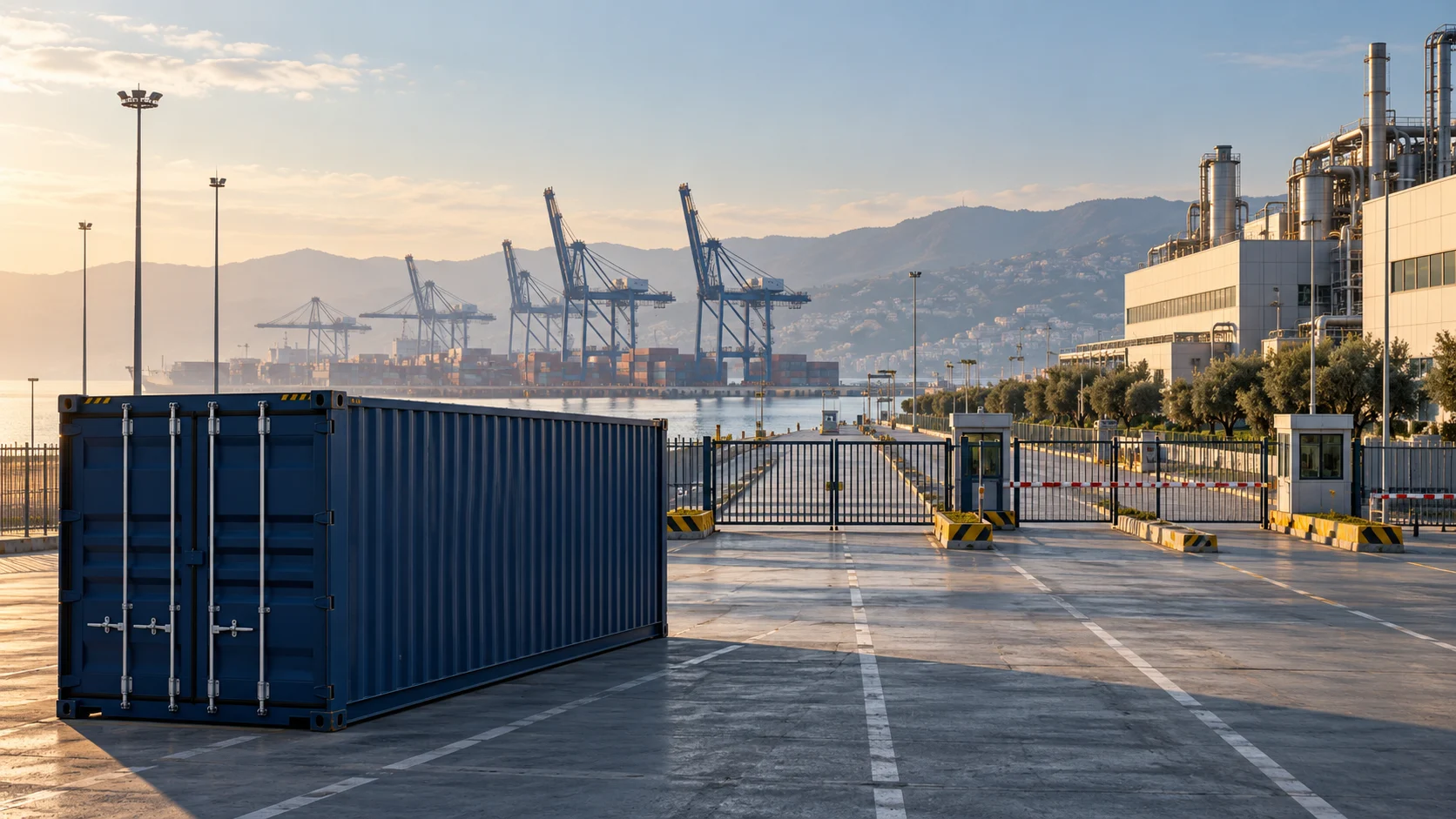
A cyberattack shuts down the terminal. A customs document is not transmitted. A vessel changes route. A container arrives ten days late.
The goods are intact.
Yet someone is already losing money.
The customer suffers a production stoppage. Storage costs accumulate. Disputes, penalties and compensation claims arrive.
And the freight forwarder finds themselves at the centre of a discussion nobody anticipated.
THE PROBLEM IS NOT JUST THE CLAIM.
Recent analyses of Italy’s supply chains highlight a significant finding: only 20% of the companies surveyed by Politecnico di Milano continuously monitor supply-chain risks.
Meanwhile, cyber risk, geopolitical tensions and operational interruptions are changing the very nature of logistics risk.
But all too often we still think exclusively about the value of the goods.
What is a container that fails to arrive worth?
Perhaps €80,000 in goods.
But what does a week-long production stoppage cost the consignee?
And, above all, who is liable?
The forwarder? The carrier? The terminal operator? Nobody?
The answer is not automatically found in the cargo policy.
It depends on contracts, liability that can actually be attributed, policy terms and exclusions.
Cargo cover is not a blanket guarantee against delays, financial losses or business interruption.
THIS IS WHERE METODO TARGA STARTS.
Before discussing what a policy costs, we need to understand what an event could cost.
This means analysing:
- The forwarder’s contractual liabilities.
- Dependencies on carriers, terminals and IT platforms.
- The economic consequences of an interruption.
- The cover that actually applies, and its exclusions.
- The procedures needed to reduce exposure.
Insuring goods is relatively straightforward. Understanding everything that can happen around those goods is a different profession.
The real step forward for freight forwarders is not buying more insurance.
It is knowing which risks could compromise their balance sheet before something happens.
And, above all, distinguishing those that can be transferred to an insurer from those the business must manage itself.
The question every forwarder should ask today is not: “Am I insured?”
It is: “If my supply chain stops tomorrow, do I know exactly what happens to my assets?”
Saverio Zavaglia Studio Metodo TARGA — Risk Management, Marine & Logistics
www.saveriozavagliarisk.it
#MetodoTARGA #FreightForwarders #RiskManagement #Logistics #MarineInsurance #SupplyChain #CyberRisk
Sources and references
General professional insight. Individual situations require a review of documents and specific circumstances.
Let’s talk about your shipment.
Start with your operations, contracts and policy wording.
Talk to Saverio ↗